
2026 RAE Coastal & Estuarine Summit Call for Proposals:
Presentations, Sessions, and Posters
Submittal Deadline: March 13, 2026
Submit Your Proposal
ABOUT THE SUMMIT
Restore America’s Estuaries (RAE) proudly presents the 2026 Coastal & Estuarine Summit in partnership with Save the Bay (STB) in San Francisco, California. This event will bring together the coastal restoration and management communities to explore issues, solutions, and lessons learned. The Summit will address all aspects of coastal and estuarine restoration and management, including the Great Lakes and international locales. These topics are crucial as coastal communities pursue new, more robust strategies to manage, protect, and restore their resources in a changing climate and the need to support all community members.
CALL FOR PROPOSALS
Proposals are due March 13, 2026. Proposals should fit into one of these types:
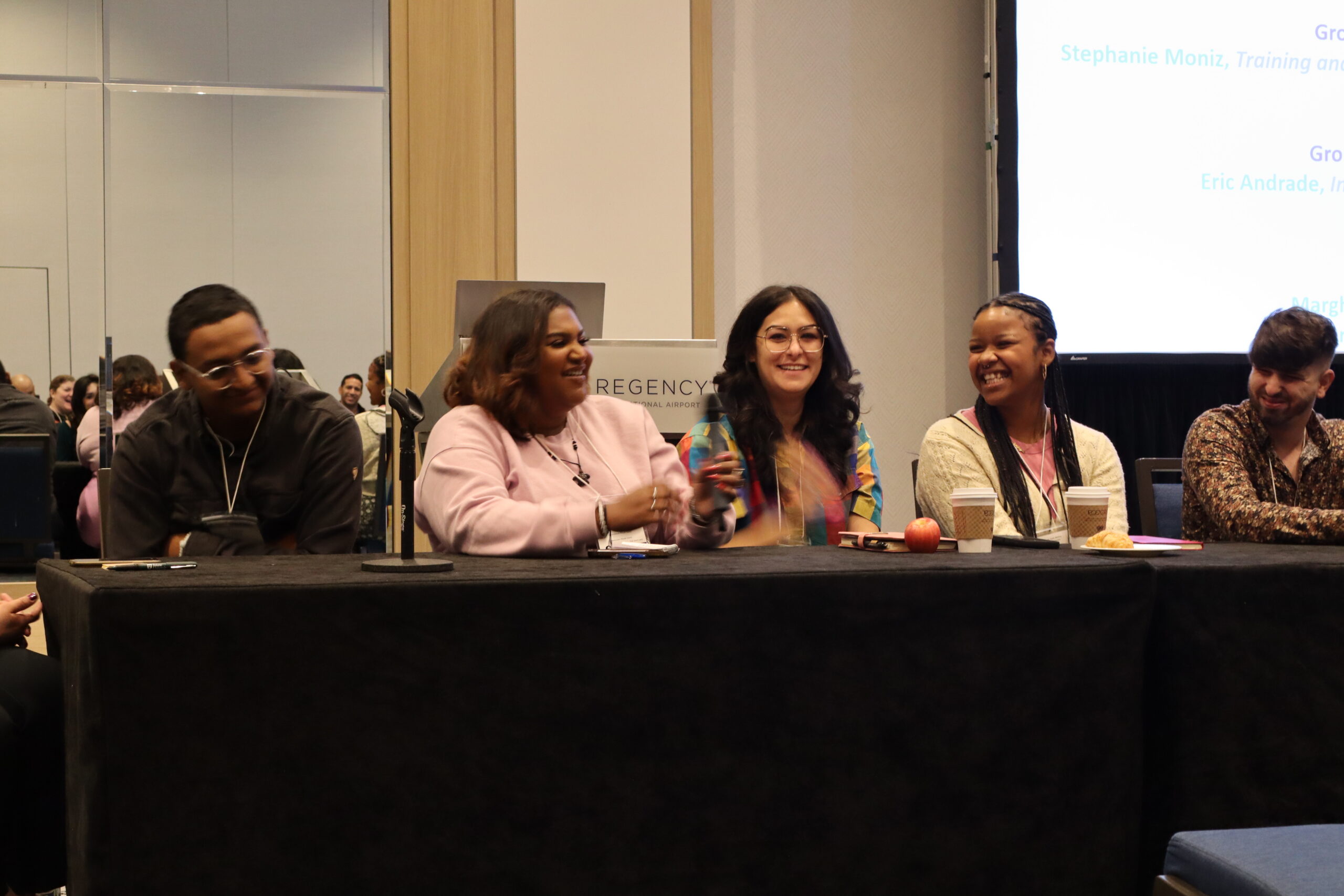
- Dedicated Session – Session chairs should propose 5 presenters in a 90-minute session. Dedicated sessions must include multiple viewpoints, diverse organizations and inclusive representation of stakeholders. Submissions must be made by the session chair and identify proposed presenters. Session chairs may propose themselves as one of the presenters, although the preference is for five presenters in addition to the chair.
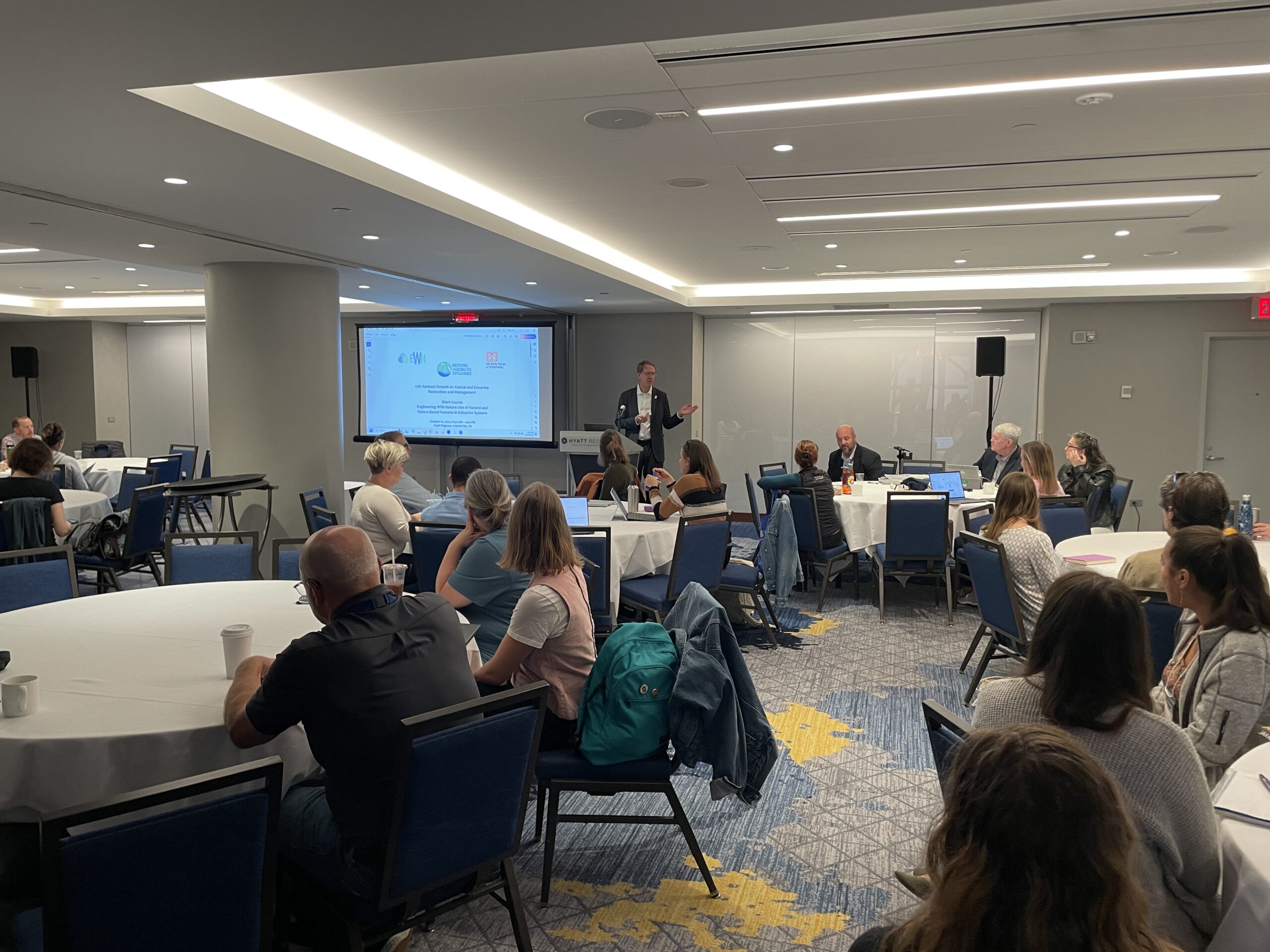
- Alternative Format, Training Session & Workshops – We encourage dynamic, creative, and interactive 90-minute events in other formats. Examples include but are not limited to: training sessions; “lightning” rounds with more than 5 presenters; panel discussions; debates; crowdsource solutions; fail fests; artistic or cultural presentations; or semi-permanent art installations.

- Single Presentation – Propose one 15-minute presentation within one of the Summit focus areas. The Program Committee will organize selected presentations into cohesive 90-minute concurrent sessions.
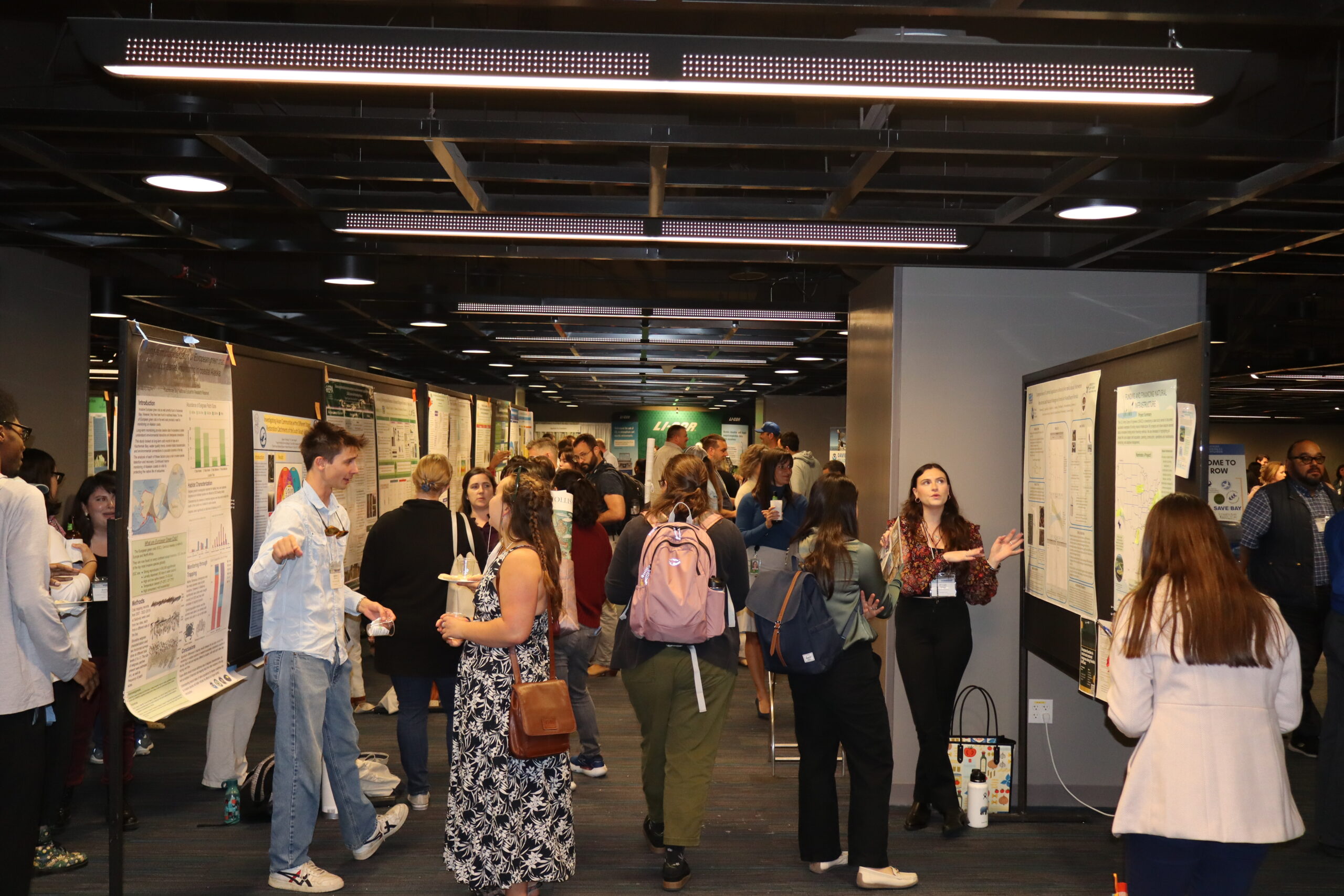
- Poster – Posters will be displayed throughout the Summit, with dedicated time for poster presenters to interact with participants. To the degree possible, posters will be displayed by focus area.
RAE particularly values collaborations across sectors (private sector, NGO, government, universities, etc.) and engagement from community members involved in projects. In all formats, we encourage participation from underrepresented perspectives, early-career professional, and student proposals. Dedicated sessions are strongly encouraged.
FOCUS AREAS
RAE and the Program Committee seek proposals that relate to the Summit focus areas. Please keep in mind that the term “coastal” extends to the Great Lakes ecosystems, as defined by the Coastal Zone Management Act, as well as near-shore issues. We encourage international submissions.
Focus Area 1. California Coasts and Bays
We are excited to host the Summit in San Francisco and will access the Bay area as a source of learning and exploration. This focus area will provide an opportunity to understand the region and state’s cultural and ecological history and how the management and restoration communities are working to protect and restore these vital resources, and how these lessons may be applicable throughout the country.
Focus Area 2. Finance, Investment & Insurance
This focus area will explore how the coastal management and restoration community can – and must – evolve its approach to valuing ecosystem services like storm resilience, water filtration, blue carbon and climate resilience, as well as insuring assets, and socially responsible investing. The goal is for attendees to learn about new perspectives and approaches that will sustain vibrant coastal communities and generate innovative funding.
Focus Area 3. Science, Technology, GIS and AI
Our work must be grounded in sound science and the responsible use of technology. For programs and policies to be effective, practitioners, planners, and decision makers must have access to the best science, latest approaches to monitoring & evaluation, accurate data and best technology available. This focus area captures the latest scientific research and modeling including machine learning and artificial intelligence, novel approaches to improve monitoring and evaluation, and technology such as advancements in ground-based technology and satellite imaging that support science.
Focus Area 4. Policy and Issue Advocacy
This focus area will cover policies, regulations, laws, and approaches that impact restoration and management. This will create a forum to discuss legal and policy decisions including topics such as the permitting, Waters of the United States, regulation of data centers, pollution and plastics. The focus area also covers success for strategies around issue advocacy including coalition building, advertising and marketing, model legislation, and messaging.
Focus Area 5. Coastal Restoration and Resilience through Nature-based Approaches
With the increasing threat of climate change and persistent coastal development, this focus area covers the nuts-and-bolts of coastal restoration methods that foster resilience and regenerate habitats, with special emphasis on nature-based methods. Realizing what did not work is often as critical as identifying what did, so “lessons learned” are especially encouraged. Topics cover a range of issues, including living shorelines, oyster reef restoration, beneficial reuse of dredge materials, sediment management, submerged aquatic vegetation restoration, marsh migration, invasive species management, and blue carbon protection.
Focus Area 6. Planning & Coastal Management
This focus area will highlight the unique topics within the coastal management realm. These sessions will provide a forum for discussing challenges and exploring solutions for the hands-on practice and implementation of coastal management. “Lessons learned” are strongly encouraged.
Focus Area 7. Coastal Access, Resilience & Engagement (CARE)
While this theme crosscuts the entire agenda, there is a need to explicitly build the community’s capabilities on these topics. This focus area highlights efforts to improve coastal access, community resilience and equity in the coastal sector to ensure the costs and benefits of coastal management are equitability and accessibly distributed. This includes issues of staffing and retention within the sector, serving the communities we work with and among, and the incorporation of traditional ecological knowledge (TEK), tribal representation, tribal partnerships, and other perspectives that enrich decision-making and broaden the beneficiaries of coastal investments.
Focus Area 8. Communication, Social Marketing, and Education
Communication, social marketing, and education are all critical aspects of fostering a citizenry that is excited about, and supportive of, coastal and estuarine restoration and management. Using a variety of techniques is essential to reaching audiences and fostering and sustaining change. Proposals are sought that explore ways of engaging and forming meaningful partnerships with different constituencies to drive social and behavioral change, building convincing narratives, and storytelling for impact, identifying and resolving barriers to change at the household and community level.
Focus Area 9. Water Resources
Water resources are the backbone of society, and yet are some of the hardest to manage. The very nature of water creates unique obstacles, ranging from cross-jurisdictional issues to the conveyance of persistent pollutants, industrial heat, plastics and nutrification. This focus area will highlight the wide range of issues related to water resources and the implications for surface water, aquifers, and coastal management and restoration, stormwater management, dam removal and management, demand from data centers and AI, and access to safe drinking water and agricultural water.
Focus Area 10: The Blue Economy
There has often been a dichotomous perspective that we focus on the marine economy or marine life. However, we know that to have a vibrant marine economy we must also have a vibrant marine ecosystem. Together these comprise the Blue Economy. This tract will look at greening ports, integrating tourism and recreation, sustainable aquaculture, offshore oil and gas development, offshore wind, ocean and near-shore mining, youth development, and job training.
Focus Area 11. Disaster Planning, Response, and Recovery
Disasters and their impacts on coasts and coastal communities are receiving increased attention commensurate with the increased damage they are causing. This focus area includes ways communities are working to plan for, respond to, ensure, and recover from disasters and the changing dynamics of estuaries and oceans such as regional planning, local zoning, planned migration, and impacts of fires.
Focus Area 12. Large-Scale Management and Restoration
Large-scale restoration and management require different, and sometimes unique, approaches and tools to succeed, and because of their scale have unique risks, funding challenges, and political risk. This focus area delves into how large-scale approaches are effective, including the role of regional partnerships across state, local and tribal entities, governance structures, and financial models.
Focus Area 13. Other Emerging Topics
We welcome other ideas that relate to the protection, management and restoration of estuaries, bays and coasts.
SELECTION PROCESS AND CRITERIA
The Program Committee and RAE staff will review proposals based on the following criteria:
- Significance to the restoration and/or coastal management communities.
- Applicability and transferability to other projects and locales, particularly with respect to “lessons learned;”
- Relevance to Summit focus areas.
- Discussion of completed projects rather than “in progress” or plans for future work.
- Insight on upcoming restoration and/or coastal management trends and science.
- Multi-stakeholder participation, underrepresented perspectives, early career professionals, and presenters who bring to forefront the depth and breadth of the coastal community.
- Thoroughness of proposal.
The selection process is competitive and not all submitted proposals will be accepted into the Summit Program. Oral presentations not selected for inclusion in the Summit Program will receive consideration for inclusion in the Poster Session.
Presenter/Chair Responsibilities
Once a proposal has been accepted for inclusion in the Program, RAE will communicate additional details. Dedicated session chairs are responsible for providing all required information related to their sessions by the due dates. Standard AV equipment, including laptops, projectors, and screens, will be provided as needed. All presentations should be in English, if there is a need for support for American sign language, please let us know.
Poster Setup and Display
Posters will be displayed throughout the Summit, with one evening event dedicated to posters. To the degree possible, posters will be arranged by topic area. If you would like your poster displayed with others, please indicate this in the “additional information” area in the proposal submittal form. RAE encourages posters from undergraduates through to seasoned professionals.
Some key points to keep in mind:
- Proposals will be reviewed based on the information received by the due date of March 13, 2026. Proposals deemed incomplete or lacking in information will likely be rejected by the Program Committee.
- An individual may submit more than one proposal, and may be included in more than one proposal. As a rule, however, the Program Committee tries to limit each person to one oral presentation within the program. Submitters may propose an oral presentation and a poster, and both may be selected for inclusion.
- When developing your proposal, please refer to the GPO Style Guide.
- Dedicated sessions must have five speakers. If your session has unique elements (e.g., uses a workshop format) that would necessitate fewer presenters, please submit the proposal as an alternative format session.
- Single presentations will be combined into 90-minute sessions. If you have a preference as to the type of session, please indicate it in the “additional information” box in the online form.
- Dedicated sessions should consist of multiple viewpoints and organizational representation; sessions consisting of staff from only one organization will likely be rejected by the Program Committee.
- All Summit attendees, including speakers and poster presenters, must register and pay the registration fee to participate in the Summit. If you are submitting on behalf of other speakers, please make sure everyone in your session understands this requirement. Scholarships for registration will be available in limited quantities.
- All proposals and presentations are monitored under RAE’s Summit code of conduct, which underpins a collaborative and safe learning environment for all.
QUESTIONS
For additional information about the Summit, please contact the following people:
- Sponsorship and Exhibiting Opportunities – Lance Speidell (lspeidell@estuaries.org)
- General Summit Information – Karen Smith (conference@estuaries.org)
- Program Information – Hilary Stevens (program@estuaries.org)
- Demonstrate New Technology, Tools or Services – Lance Speidell (lspeidell@estuaries.org)
