Call for Proposals: California’s Coasts & Bays
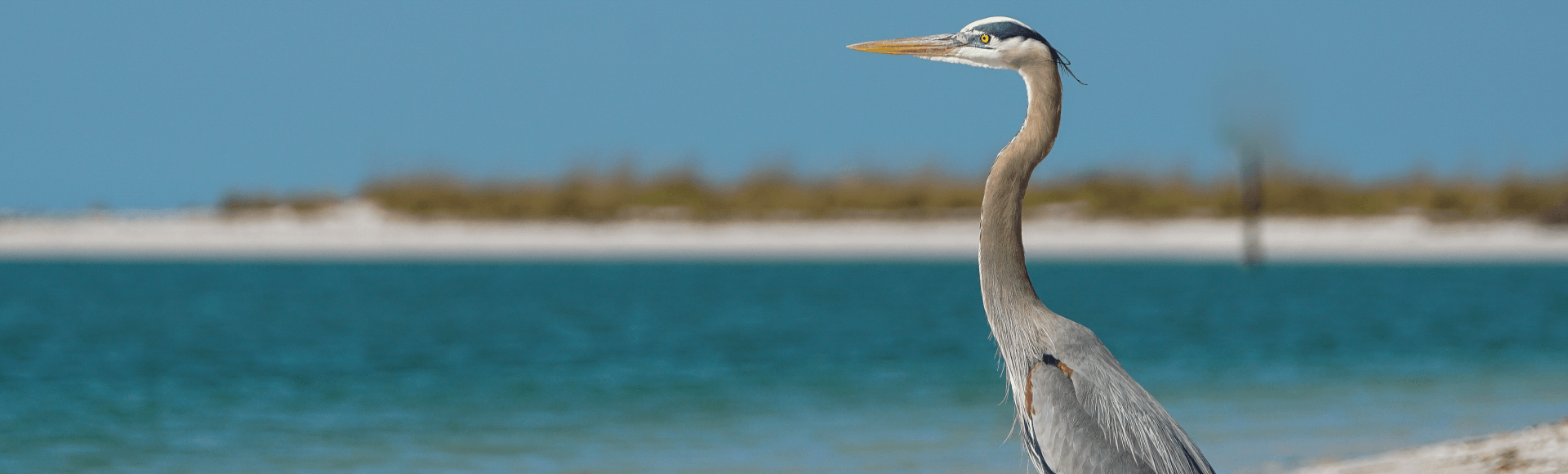
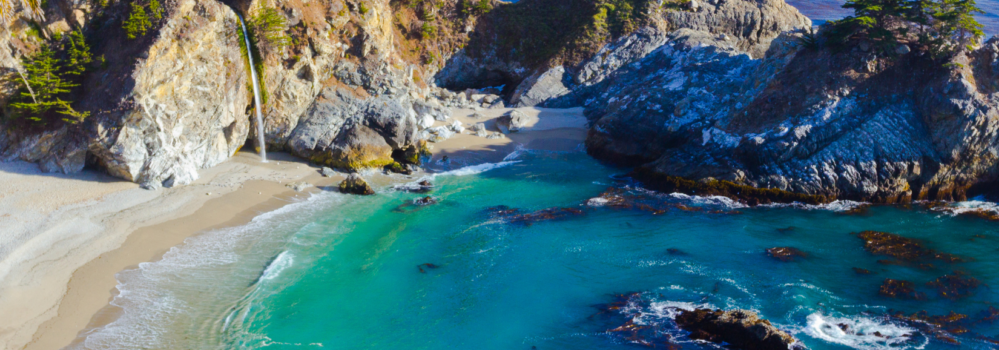
As the sun sets, light settles across California’s shoreline – golden rays stretch over sandy beaches, waves lap rhythmically onto the shore, and palm trees sway in the breeze. Further north, rugged headlands give way to rocky intertidal zones where tidepools fill and empty with each swell, while towering cliffs overlook blue and green bays teeming with life. These landscapes offer more than scenic backdrops; they are defining features of California’s identity, economy, and culture. California’s coasts & bays are as iconic as the state itself – and among its most valuable natural assets.
With nearly 3,500 miles of coastline, California is home to the largest coastal population in the nation. More than 26.8 million people live, work, and recreate along its shores, relying on healthy beaches, estuaries, and bays for healthy water. Safeguarding these resources is a complex and ongoing responsibility shared by coastal managers, scientists, advocates, Tribal partners, restoration practitioners, and local stakeholders who work daily to address mounting environmental pressures.
Those pressures are intensifying. According to U.S. Geological Survey estimates, California could lose up to 75 percent of its beaches by the end of the century due to sea level rise and coastal erosion. Kelp forests – vital underwater ecosystems that provide habitat for fish, marine mammals, and countless other species – are declining at alarming rates. Continued development pressures and proposals for new offshore drilling leases threaten fragile habitats and water quality. At the same time, communities must contend with stronger storms, flooding, and the impacts of climate change on vulnerable places and populations.
Managing such a vast and diverse coastline means balancing ecological restoration, climate resilience, public access, and economic vitality. While the challenges are significant, so too are the opportunities. Across the state, innovative solutions are demonstrating what is possible. Projects like the newly opened 547-acre Estero Americano Coast Preserve – transformed from former farmland into protected habitat and a model for low-impact public engagement – show how restoration, conservation, and community access can work hand in hand. From living shorelines and wetland restoration to collaborative watershed management and policy innovation, California continues to lead with approaches that are practical, science-based, and replicable.
The 2026 RAE Coastal & Estuarine Summit provides a forum for this work. It is where California’s coastal leaders can share lessons learned, highlight successes, and confront persistent challenges alongside peers from across the country and around the world. By connecting practitioners, policymakers, researchers, and advocates, the Summit fosters collaboration, sparks new ideas, and accelerates solutions that strengthen coasts and communities alike. Together, we can ensure that California’s shores remain vibrant, resilient, and accessible for generations to come.
Join Us in Shaping the Future California’s Coasts & Bays
We invite you to help lead the national conversation at the 2026 RAE Coastal & Estuarine Summit. We are seeking proposals for sessions on topics such as:
- Living shoreline creation, development, and management
- Wetlands restoration in urban environments
- Connecting historically disadvantaged communities with natural resources
- And more!
Submit your proposal here: https://estuaries.org/2026-summit-call-for-proposals/
Registration for the 2026 RAE Coastal & Estuarine Summit opens April 13.
