A Pilot Youth Citizen Science Program in the Long Island Sound Builds Regional Capacity
In 2024, the Long Island Sound Community Impact Fund (LISCIF) awarded Save the Sound $99,922.27 for its “Green & Blue Learning Lab: Community-led GSI and Biological Monitoring on the Byram River” project. The grant supported a pilot youth program focused on green infrastructure in the Village of Port Chester and macroinvertebrate monitoring in the Byram River, which connects New York and Connecticut and flows into the Long Island Sound.
Save the Sound is a nonprofit with a vision to protect and restore Long Island Sound’s health and longevity. The Green and Blue Learning Lab addresses the Sound’s health through youth citizen science in two cohort phases. In the first phase, participants monitored macroinvertebrates, or river bugs, and in the second phase, they installed a rain garden. Both phases expanded their awareness of their environment and helped them to have a deeper relationship with the Long Island Sound estuary.
Participants were recruited through the Village of Port Chester’s Youth Bureau’s Summer Youth Employment Program (SYEP), which provides interested 14- to 20-year-olds with summer jobs. Many SYEP participants live near the Byram River, so for them, engaging directly with a river they passed by when visiting a hangout spot, like a restaurant, was a unique experience. The program was an opportunity for them to be in somewhat familiar terrain and actually interact with it.
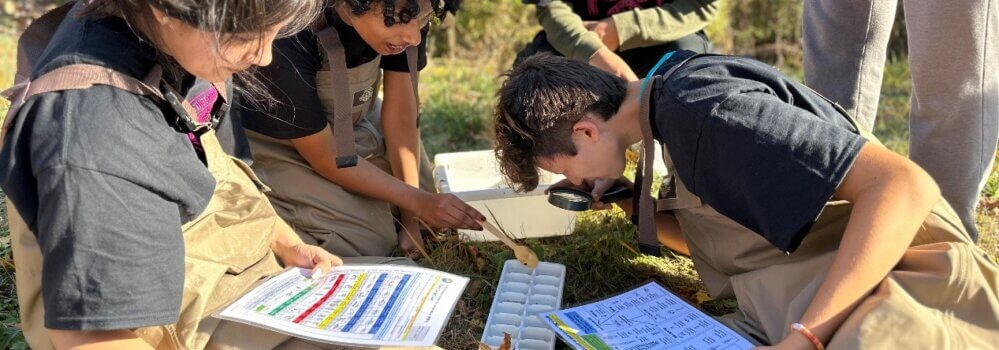
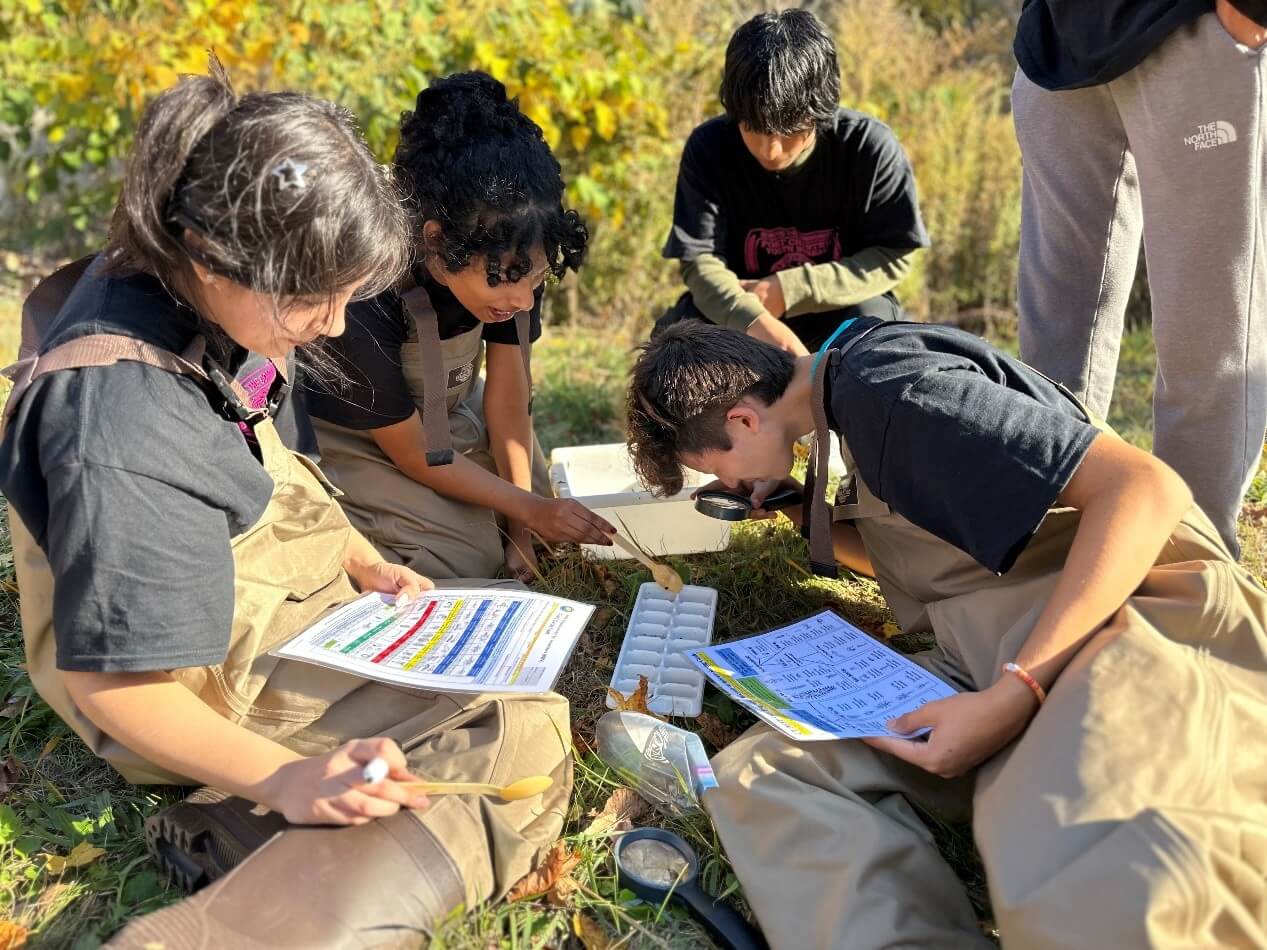
For a majority of the participants, putting on waders and exploring one of the Sound’s watersheds was a first. The project’s leader, David Abreu, Save the Sound’s clean water advocacy specialist, remarks that in the beginning, the program’s students showed apprehension about getting into a polluted river, but over time they showed interest in understanding the water quality using river bugs.
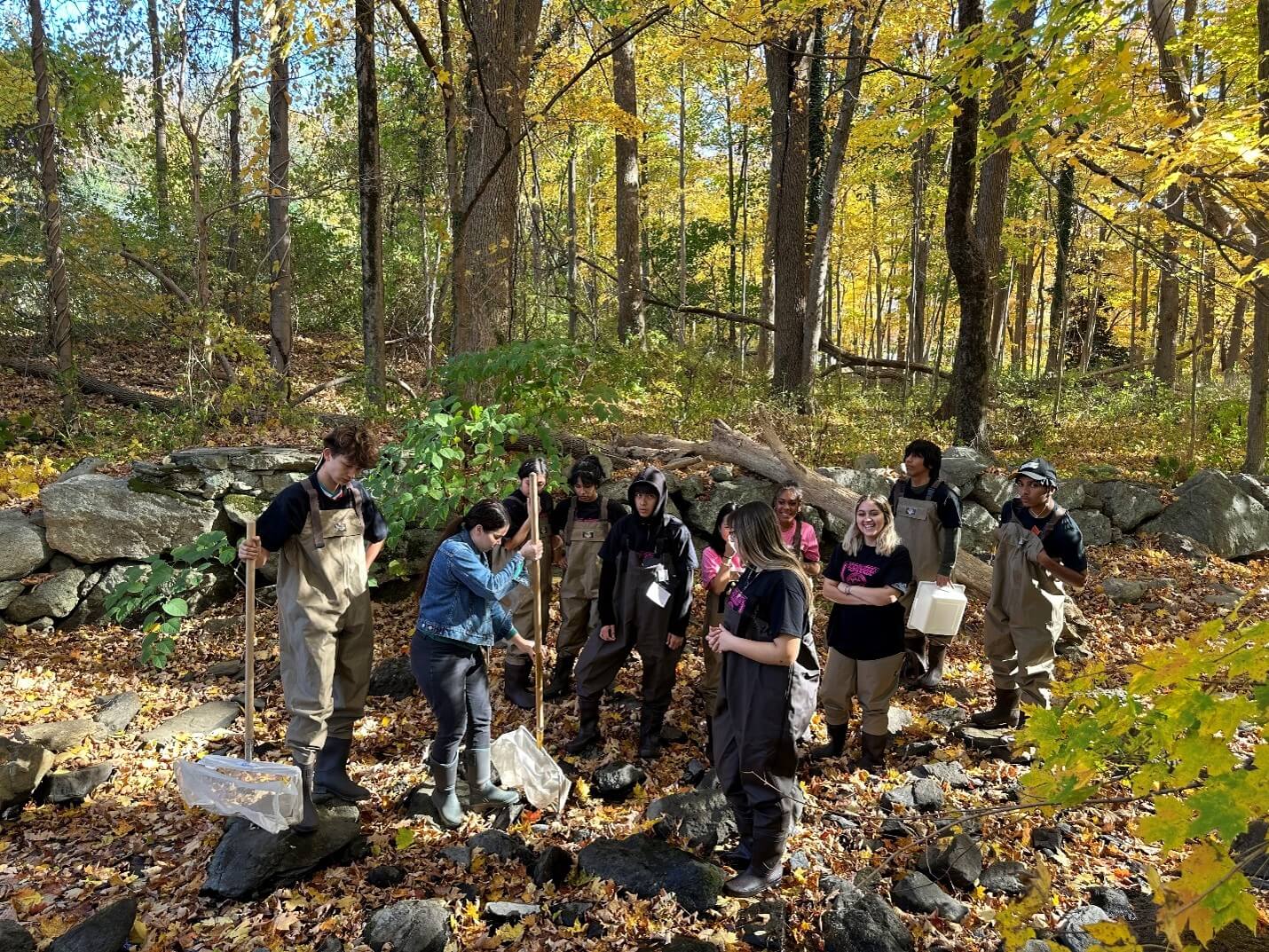
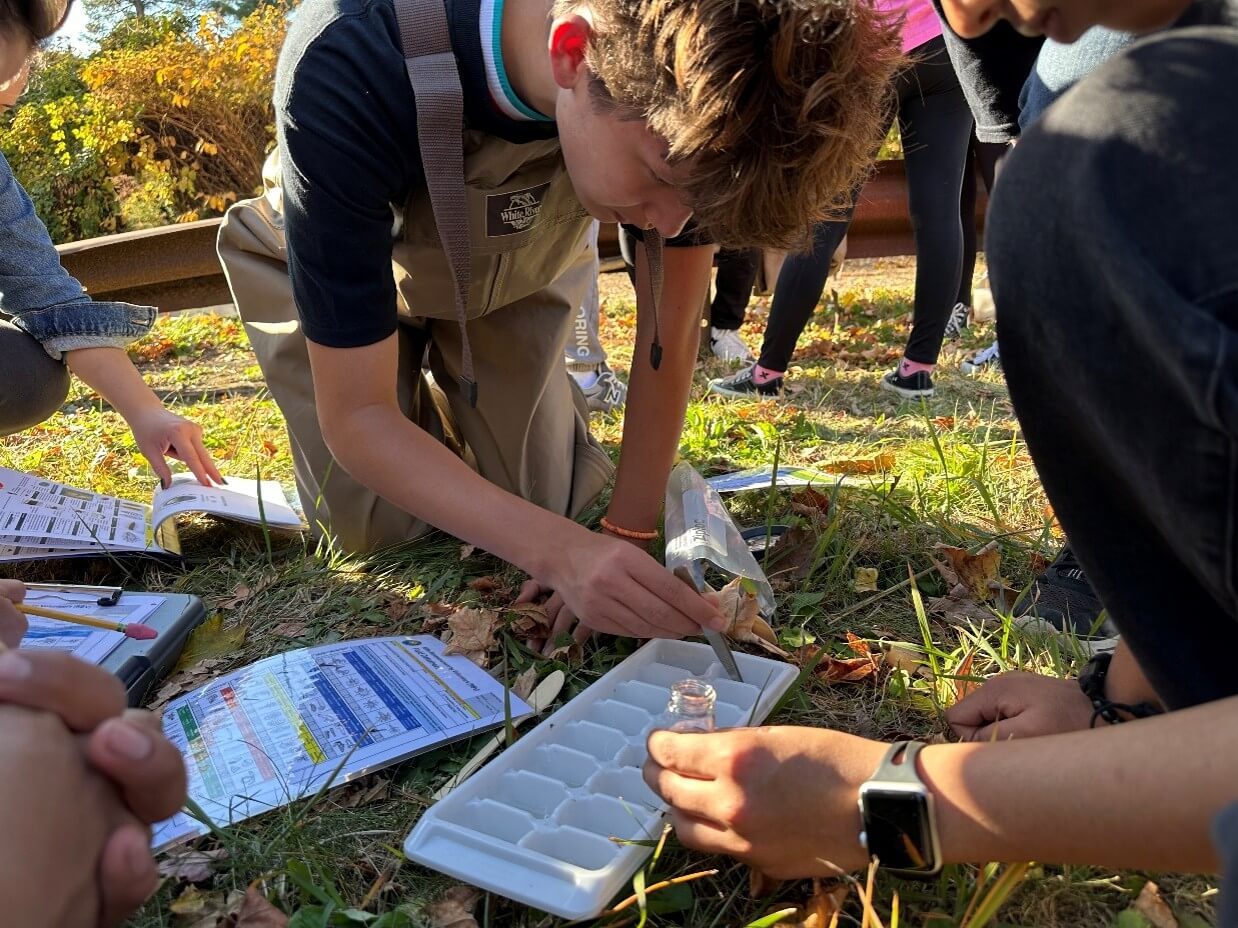
River bugs are used to identify whether the water quality is good or poor. Because of their tolerance, some river bug species can be found in poor water quality environments. If there is a diverse mix of river bug species, then that finding would indicate better water quality. Students put on their investigative caps and cross-examined the species they were looking at. The river bugs were separated into the compartments of an ice cube tray-like apparatus. A guideline indicator was used to determine which species of river bugs could be found in good water quality and vice versa. Participants found joy in figuring out and solving the problems in their environment. The Byram River’s pollution is no longer an unsolved mystery for the students – there is a way to steward it, and they now understand how to do it.
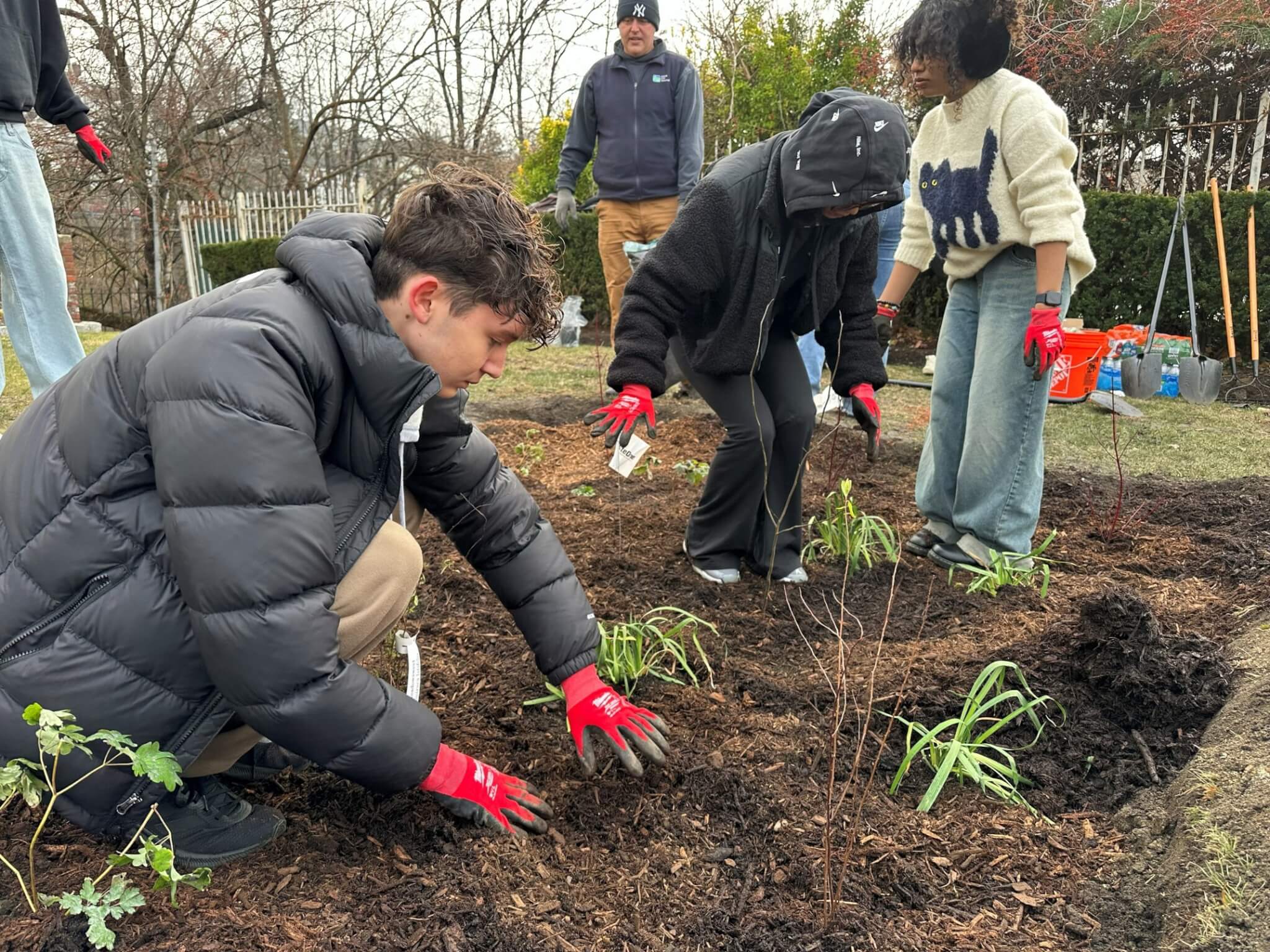
The second part of the project was the rain garden installation, which students learned about first in class and got hands-on experience with. The rain garden installation advanced the Sustainable and Resilient Communities theme of the Long Island Sound Partnership’s Comprehensive and Conservation Management Plan (CCMP). Save the Sound accomplished action SRC 3-1: “Increase community capacity to implement and manage sustainable and resilient initiatives.”
At the William James Memorial Gateway Park in the Village of Port Chester, the group planted native pollinators, including Redosier Dogwood, Columbine, Spicebush, Swamp Rose Mallow, Lobelia, Blueflag Iris, and Meadowsweet. When it was finished, an educational sign was added to the garden for locals to learn about pollinator gardens and their importance to a thriving ecosystem. The addition of the signage ties back to the CCMP action SRC 3-1 because it increased the likelihood of neighbors replicating green stormwater infrastructure in their lawns and backyards, similar to the one built by the students.
Another theme from the CCMP that Save the Sound addressed was Thriving Habitats and Abundant Wildlife. Specifically, the action that was implemented was THAW 1-1: “Restore coastal habitat by supporting projects that implement established restoration techniques or help validate innovative techniques and include broad collaboration and communication.” Rain gardens help mitigate stormwater run off. Rain gardens are especially crucial to ensure pollutants, such as fertilizers, pesticides, grease/oil, and debris, don’t end up in river streams and onto shores. Impervious surfaces, including lawns and driveways, would otherwise let harmful chemicals slide down into the Sound and cause bacterial contamination. This project supported THAW 1-1 by collaborating with the Village of Port Chester on the addition of green stormwater infrastructure to restore the Sound’s coastal habitats.
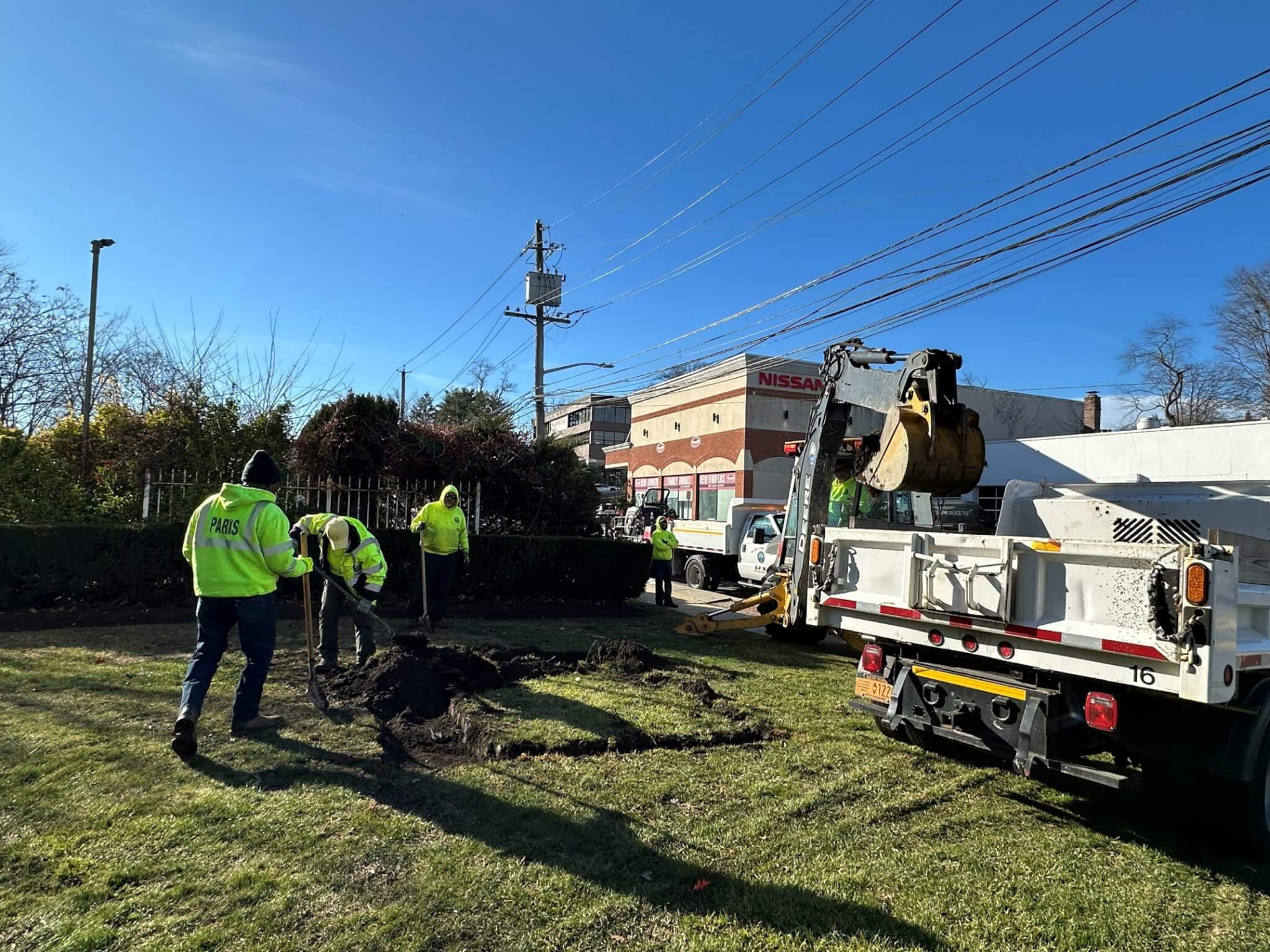
Additionally, as Save the Sound’s partner in the project, the Village of Port Chester supported the installation from the first day until the educational signage was staked into the ground. While the plot of land is owned by the Village of Port Chester, Save the Sound was able to receive permission to install the rain garden. When they were starting out, the Save the Sound team was going to dig up the plot of land with simple tools such as shovels, but instead the Port Chester Department of Public Works arrived with an excavator. One of the goals of LISCIF is to increase the capacity of partnerships in Long Island Sound. A synergistic relationship like the one Save the Sound developed with the Village of Port Chester is advantageous in accomplishing meaningful, collaborative work in the region.