Congressional Estuaries Caucus hosts briefing on Harmful Algal Blooms (HABs)
To learn more on the science, impacts, and federal policy of Harmful Algal Blooms, download our one page memo HERE.
Harmful Algal Blooms in U.S. Estuaries: Science, Impacts, and Solutions for Congress
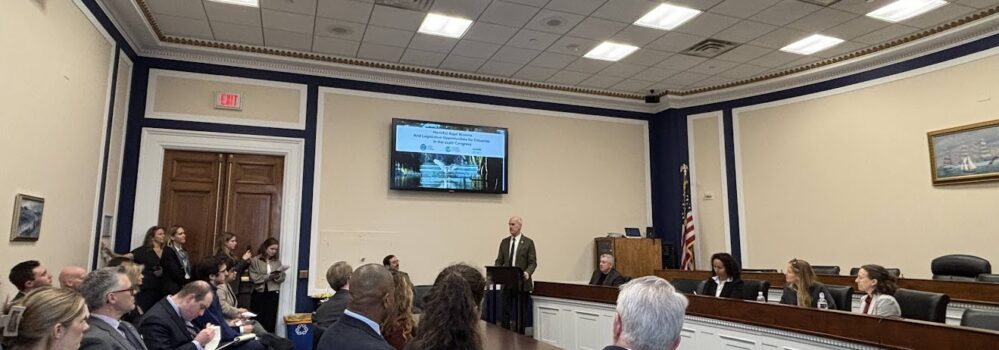
On March 4, the Congressional Estuaries Caucus, congressional staff, partners, and coastal leaders gathered in the Rayburn House Office Building for a timely discussion on one of the fastest-growing threats to America’s coastal waters: harmful algal blooms (HABs). Hosted by the Congressional Estuary Caucus, the briefing focused on the science behind HABs, their growing impacts on communities and economies, and the federal policies needed to strengthen prevention and response.
Estuaries—where rivers meet the sea—are among the most productive ecosystems on Earth. They support fisheries, protect coastal communities from storms, and fuel local economies through recreation and tourism. Yet these vital systems are increasingly under pressure from a combination of nutrient pollution, warming waters, and changing environmental conditions that are driving more frequent and intense harmful algal blooms.
A Growing National Challenge
Credit: NOAA
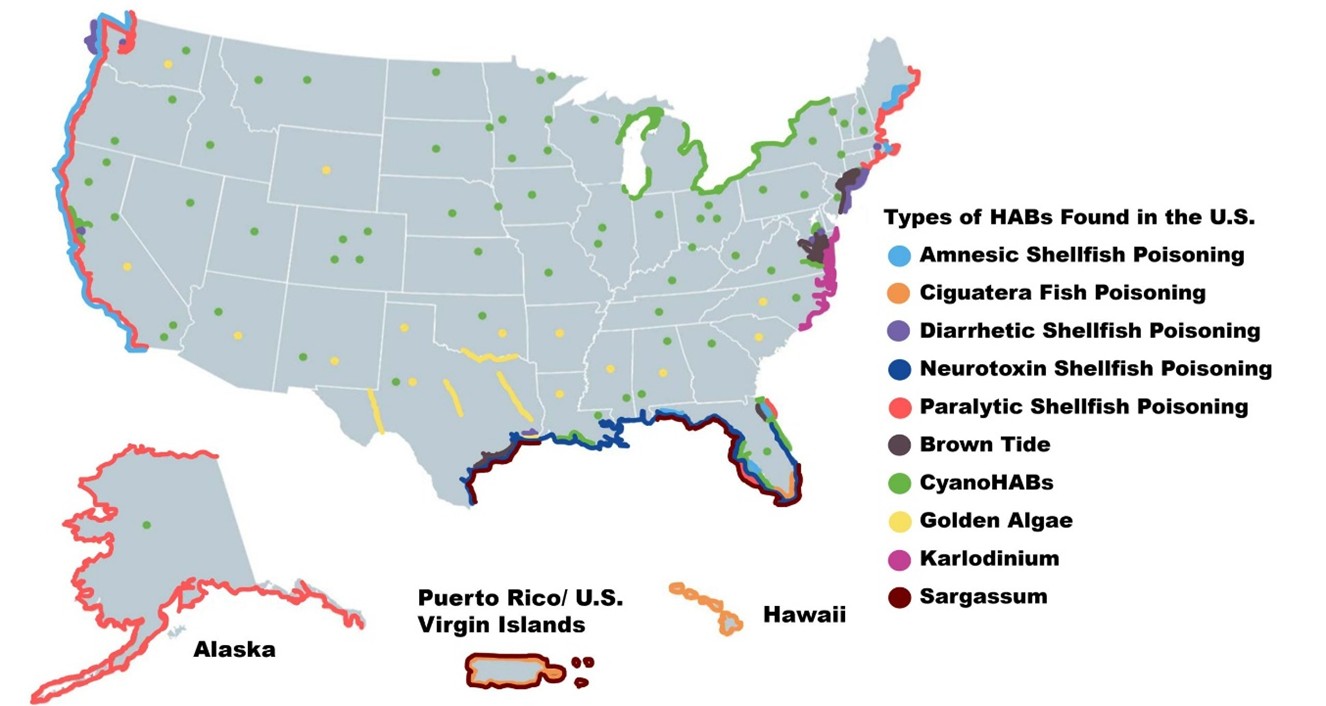
Harmful algal blooms occur when certain algae grow rapidly and produce toxins or otherwise harmful conditions for people, wildlife, and ecosystems. While some algae are a natural part of aquatic systems, HABs can create dangerous levels of toxins, deplete oxygen in the water, and disrupt entire food webs.
Represented on the panel were experts representing estuaries across the country, demonstrating the pervasive and wide ranging effects of HABs.
- Christine Tang, President, EarthCorps
- Katherine Schake, Manager, Kachemak Bay National Estuarine Research Reserve (AK)
- Katherine Hubbard, Florida Fish and Wildlife Conservation Commission Fish and Wildlife Research Institute, HAB Task Force Chair
- Moderator: Michael De Luca, Reserve Manager, Jacque Cousteau National Estuarine Research Reserve
Panelists emphasized that HABs are no longer isolated events limited to specific regions. Instead, they are becoming a widespread challenge across the country’s estuaries.
Across the United States, communities are experiencing blooms that last longer, occur more frequently, and affect larger areas than they did a decade ago. These changes are linked to a combination of factors, including nutrient runoff from agriculture and urban development, warmer water temperatures, and altered rainfall patterns that wash more pollution into waterways.
Impacts on Communities, Fisheries, and Public Health
Credit: EarthCorps
HABs affect far more than water quality. They directly impact public health, local economies, and cultural traditions tied to the water.
HABs shut down recreational waters due to increased threat of disease to boaters, swimmers, and outdoor enthusiasts – threatening tourism dependent economies. In some cases, drinking water supplies can be threatened, requiring costly treatment or emergency measures.
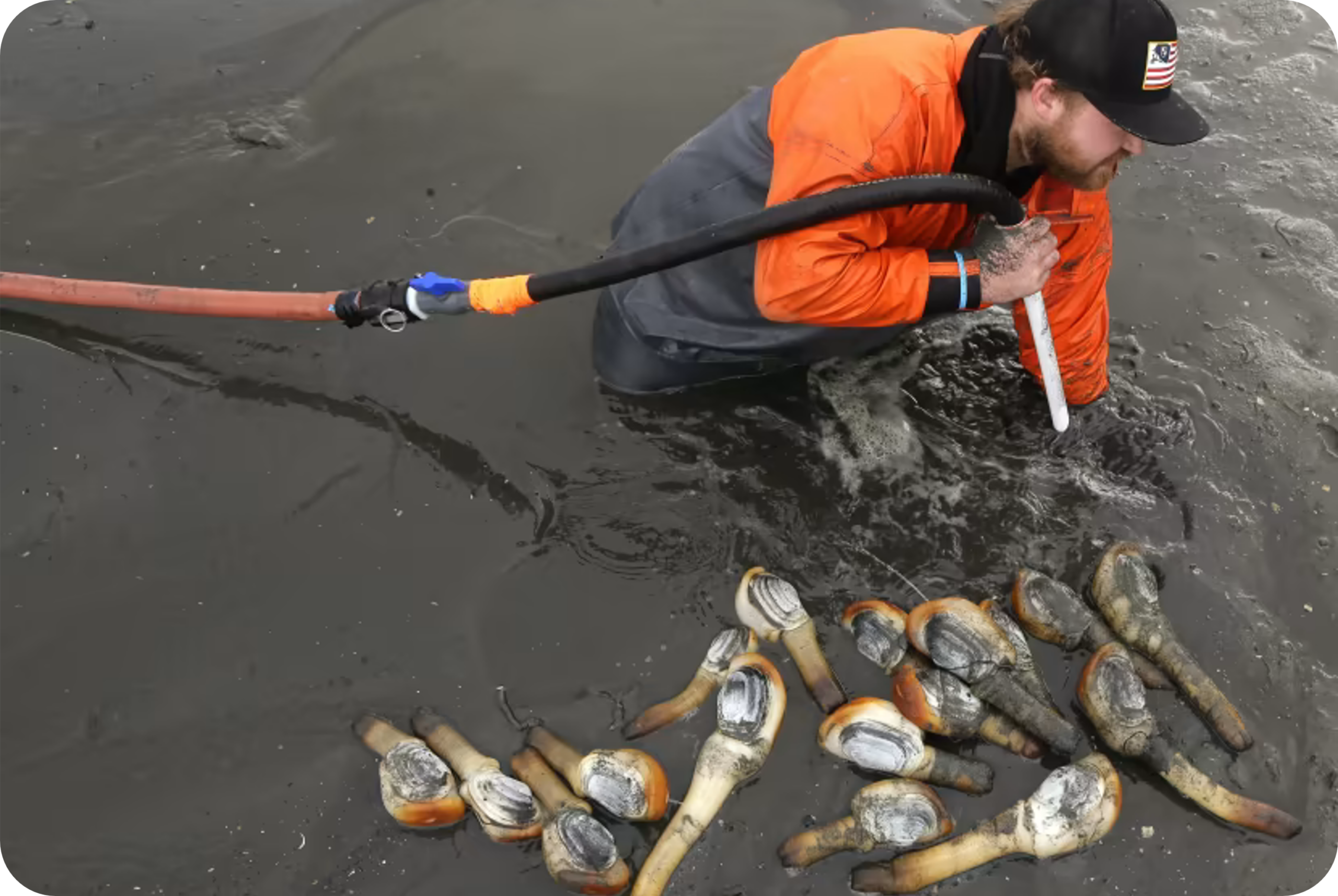
When toxic blooms occur, shellfish beds may close for weeks or months, cutting off income for aquaculture businesses and subsistence farmers. In Puget Sound, closures as recent as August 2025 forced the delay of harvesting shellfish including geoducks – a key economic resource valued at $270M annually. With over 3,000 jobs dependent on clean and healthy water, plus the countless regional tribal harvesters, HABs have a significant impact on the food we rely on.
In short, harmful algal blooms are not just an environmental issue—they are a public health and economic resilience issue for coastal America.
The Role of Science and Monitoring
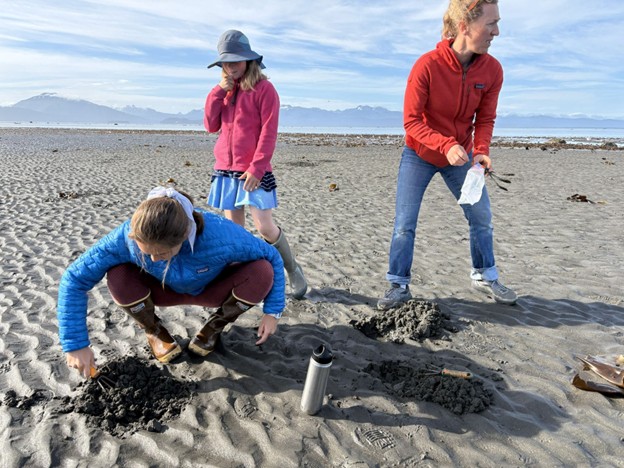
One of the central themes of the briefing was the importance of strong science and monitoring systems to detect and respond to HABs early. In Kachemak Bay, after suffering from a HAB, scientists were able to alert local communities before any harvesting thanks to their boots on the ground response. But not all areas experiencing HABs have the same level of monitoring capabilities leading to an uneven response.
Estuary-based research programs and regional partnerships play a critical role in tracking water conditions, studying bloom dynamics, and improving forecasting tools. Monitoring stations, satellite observations, and field research help scientists identify blooms earlier and provide warnings to communities.
These early detection systems are essential. Responding after a bloom has already caused damage is far more costly than preventing or mitigating one before it spreads.
Panelists highlighted how collaboration among federal agencies, state resource managers, academic scientists, and local partners allows data to flow quickly between researchers and decision-makers. This coordination enables faster responses that can protect fisheries, safeguard public health, and inform local management decisions.
Why Prevention Matters
One of the strongest messages from the panel was that prevention is both the most effective and most cost-efficient strategy for managing HABs.
Reducing nutrient pollution from upstream sources—such as agricultural runoff, wastewater discharges, and stormwater—can significantly decrease the likelihood of blooms forming in the first place. Investments in watershed management, green infrastructure, and improved water treatment can help limit the nutrients that fuel algal growth. Prevention also reduces the economic costs associated with emergency responses, fisheries closures, and drinking water treatment.
Simply put, investing in prevention today can save communities and taxpayers significant resources in the future.
Opportunities for Congressional Action
As harmful algal blooms continue to expand across U.S. waters, Congress has an important role to play in strengthening the nation’s response.
Panelists highlighted several opportunities for action in the 119th Congress that include supporting programs that improve HAB monitoring and forecasting, strengthening watershed management efforts that reduce nutrient pollution, and ensuring stable funding for estuary-based science and partnerships.
Reauthorizing key estuary programs and research networks can help maintain the scientific infrastructure that communities rely on to detect and manage harmful algal blooms.
By supporting these efforts, Congress can help ensure that communities have the tools they need to protect public health, sustain fisheries, and maintain the economic benefits that healthy estuaries provide.
Estuaries at the Center of the Solution
Estuaries sit at the intersection of land, water, and human activity. Because they integrate conditions from entire watersheds, they are also central to solving the harmful algal bloom challenge.
The discussion made clear that addressing HABs will require coordinated action across disciplines—from atmospheric science and ocean monitoring to watershed management and community engagement.
But with strong science, sustained federal investment, and effective local partnerships, the nation has the tools to better understand, prevent, and respond to harmful algal blooms.
Protecting America’s estuaries ultimately means protecting the communities, economies, and ecosystems that depend on them.
