Call for Proposals: Failing to Plan Is the Biggest Disaster
By: Daniel Hayden, President and CEO, Restore America’s Estuaries
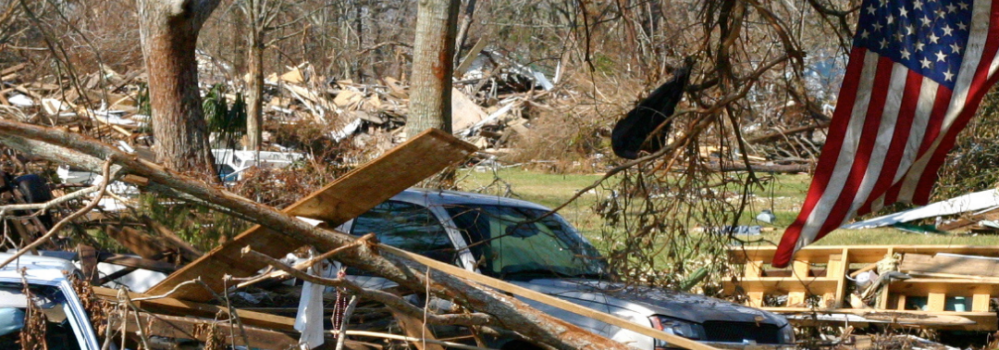
When Hurricane Harvey struck Houston in 2017, 204,000 homes were damaged, and three‑quarters of them were outside the 100‑year floodplain, meaning most residents had no flood insurance—leaving the people least able to rebuild bearing the heaviest long‑term burden. Harvey would ultimately become one of the costliest natural disasters in U.S. history, reminding us that while storms are natural and inevitable, the scale of human loss is shaped by planning, preparation, and resilience. [iwaponline.com]
The New Reality: More Frequent, More Costly Disasters
Across the United States, coastal and weather‑related disasters are increasing in frequency, severity, and economic impact. According to NOAA, the country has sustained 403 weather and climate disasters surpassing $1 billion each since 1980, with total damages exceeding $2.9 trillion. [clearbluemarkets.com].
- 5 million Americans in 1.4 million homes live in areas projected to face severe coastal flooding by 2050, even if global climate commitments are met. [fisheries.noaa.gov]
- Hazard data from SHELDUS shows that nearly 80% of flood events across 203 coastal U.S. counties are “compound floods”—driven by multiple overlapping factors like rainfall, tides, and storm surge, making them harder to predict and mitigate. [coastalsci…e.noaa.gov]
- Tidal, storm‑driven, and nuisance flooding are accelerating simultaneously, which means that the next “big disaster” may not come from a single hurricane, but from cumulative, chronic impacts.
These trends demonstrate an urgent reality: Failing to plan is, itself, a disaster in the making.
A Call for Collaboration
We are inviting session proposals from practitioners, researchers, community leaders, planners, and innovators working on any aspect of disaster preparedness, coastal resilience, or recovery.
Submit your proposal here: https://estuaries.org/2026-summit-call-for-proposals/. This focus area includes:
- Strategies communities are using to plan for, respond to, insure, and recover from disasters.
- The changing dynamics of estuaries and oceans, including regional planning, local zoning, and managed retreat.
- Cross‑hazard connections—such as how wildfires amplify erosion, flooding, and estuarine degradation.
We are also seeking sponsors committed to advancing disaster readiness—whether your goals are to connect with new partners, showcase innovative tools and technologies, or recruit top talent for resilience‑focused work. For sponsorship information, contact LSpeidell@estuaries.org.
Registration for the 2026 RAE Coastal & Estuarine Summit opens April 13.
Together, we can strengthen our coasts—before the next disaster strikes—and ensure that every community, from young families to older adults like Grace, can share in the safety and benefits of resilient coastal ecosystems.
