
How a Coalition of Dragon Boaters Became the Catalyst for Environmental Stewardship in a Long Island Sound Community
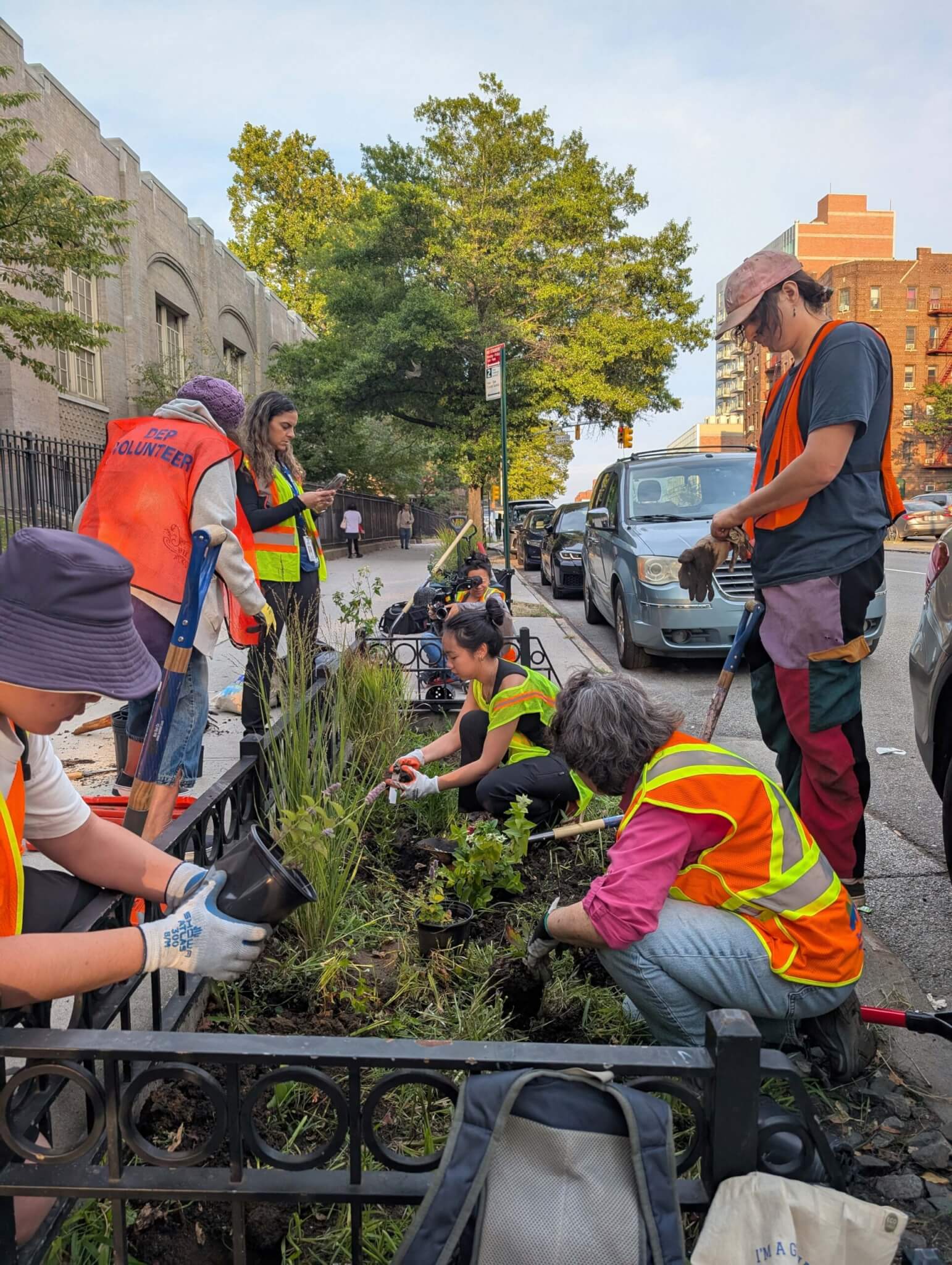
Guardians of Flushing Bay, a Long Island Sound Community Impact Fund (LISCIF) grant recipient, received $99,993.08 in 2024 and $99,465.56 in 2025. The funds were used for their rain garden stewardship projects located within the Flushing Bay area in New York City, which opens into the Long Island Sound.
Flushing Bay and Flushing Creek, also known as Flushing Waterways, are located within the diverse, bustling neighborhood of Queens in New York. At the last stop of the 7 train lies a sea of old and new restaurants, malls, and apartments, where crowds of people are rushing to their destinations. Near this special enclave, participants from the tri-state area and beyond gather at Flushing Bay to practice an ancient traditional sport out of Hong Kong called Dragon Boating.
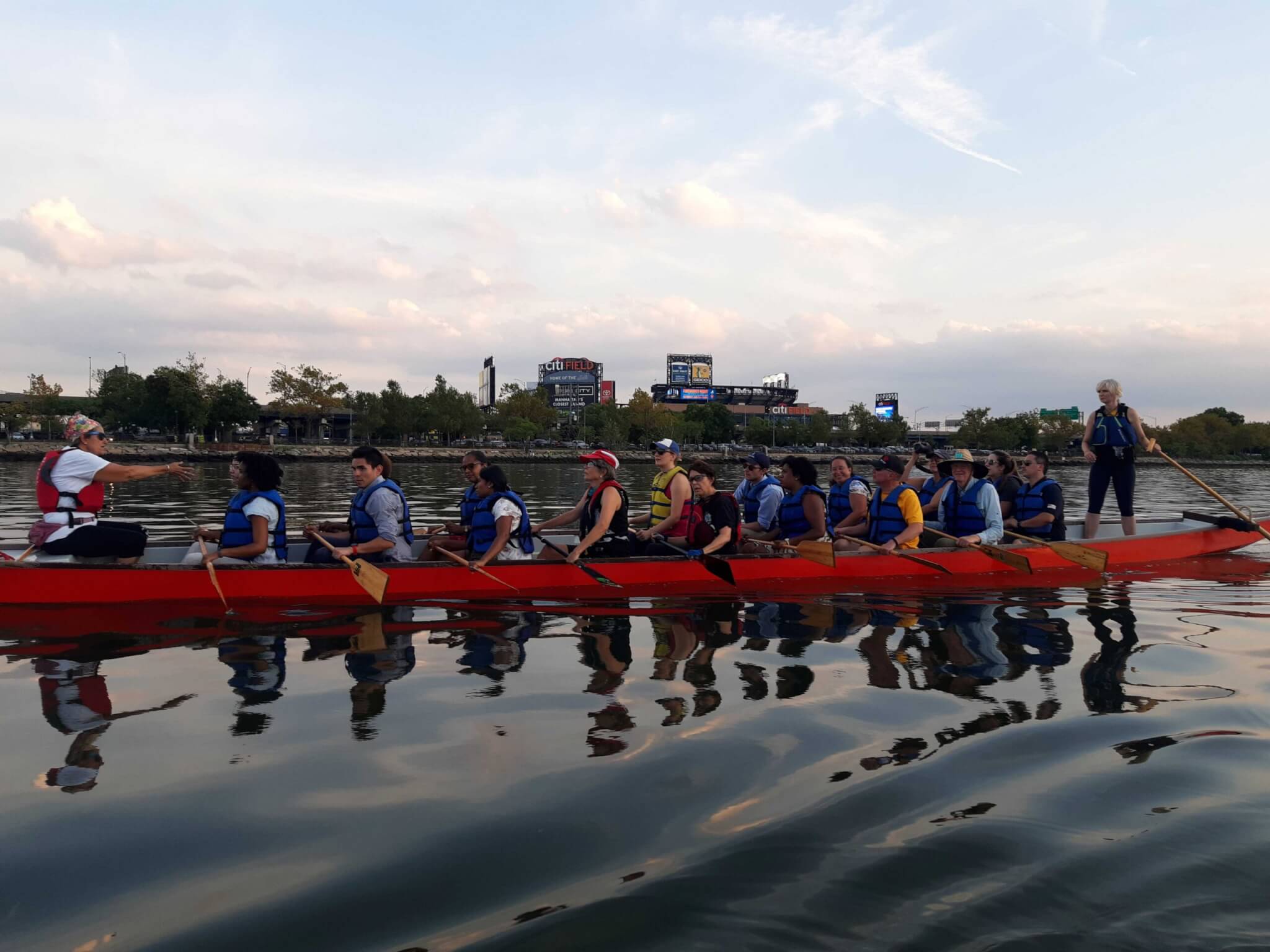
Because dragon boating is done in long, shallow boats, direct contact with the water is unavoidable. In 2012, concerns around water quality and pollution were raised by a team of breast cancer survivors who actively paddled in the Bay and experienced the issue firsthand. Guardians of Flushing Bay emerged as a result of wanting to advocate for the health of the water and those closest to it who were most affected by the pollution. The organization has since expanded its work to encompass waterfront access and land use equity.
Guardians of Flushing Bay prioritizes deep relationship-building in their work, connecting and collaborating with locals and community members on educational stewardship and clean water initiatives. One way the non-profit is doing this is by teaming up with nearby schools, the Queens Botanical Garden, and other partner organizations, such as Kiddie Science, to maintain rain gardens and bring attention to the health of the Waterway and Sound.
Their target watershed communities in Queens include Corona, Flushing, Jackson Heights, East Elmhurst, and College Point. Based on NYC Population FactFinder, roughly over 50% of residents in these areas identified as Latine, over 25% identified as Asian, 10% identified as white, and 5% identified as Black or African American. 80% of residents in those neighborhoods do not speak English at home, compared with 50% of residents in New York City. Guardians of Flushing Bay seek to center the diverse communities who are most affected by flooding, pollution, and other environmental issues. Rain gardens help mitigate flooding, which is a major concern in these Queens neighborhoods.
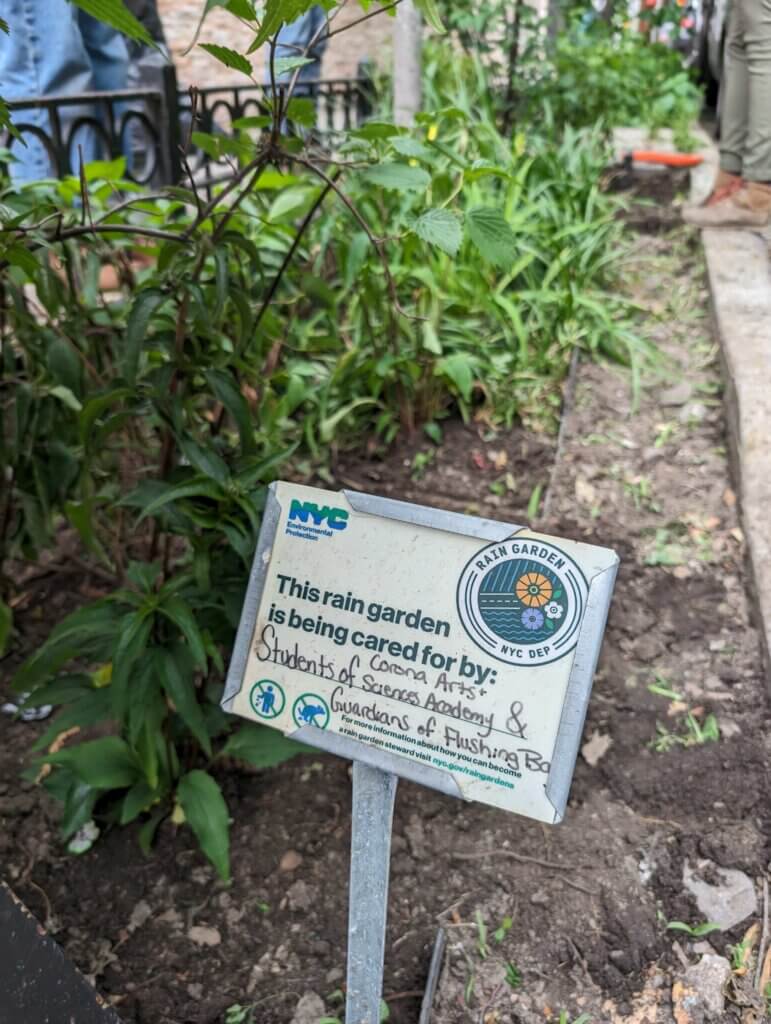
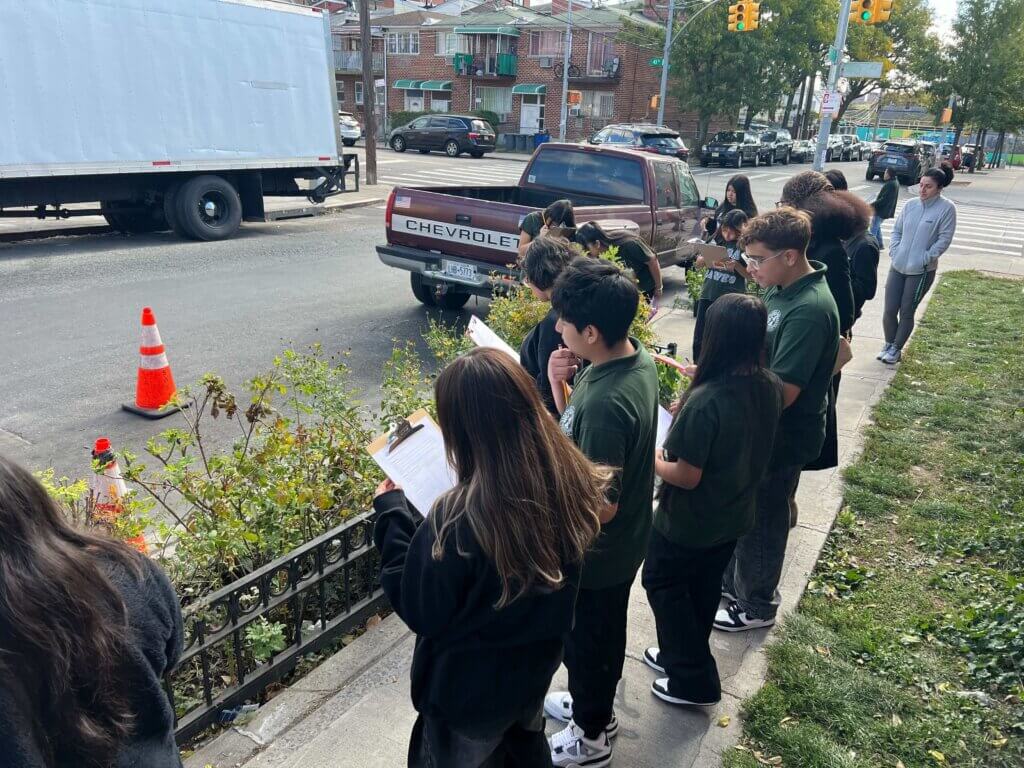
Through a partnership with a STEAM teacher at Corona Arts and Sciences Academy who studied Environmental Science and is also an artist, students are being engaged in the LISCIF project. At the middle school in Corona, Queens, students have eagerly completed field trips to clean Flushing Bay and maintain 10-25 rain gardens around the school. At each rain garden, signs give credit to middle schoolers for stewarding them. Students were also able to name the rain gardens. Being recognized for the impact of the work they do, students become proud of it and build a sense of belonging in their community. This is the goal of Guardians of Flushing Bay — to create a deep sense of connection to caring for the lands and coasts in which residents have made their home.
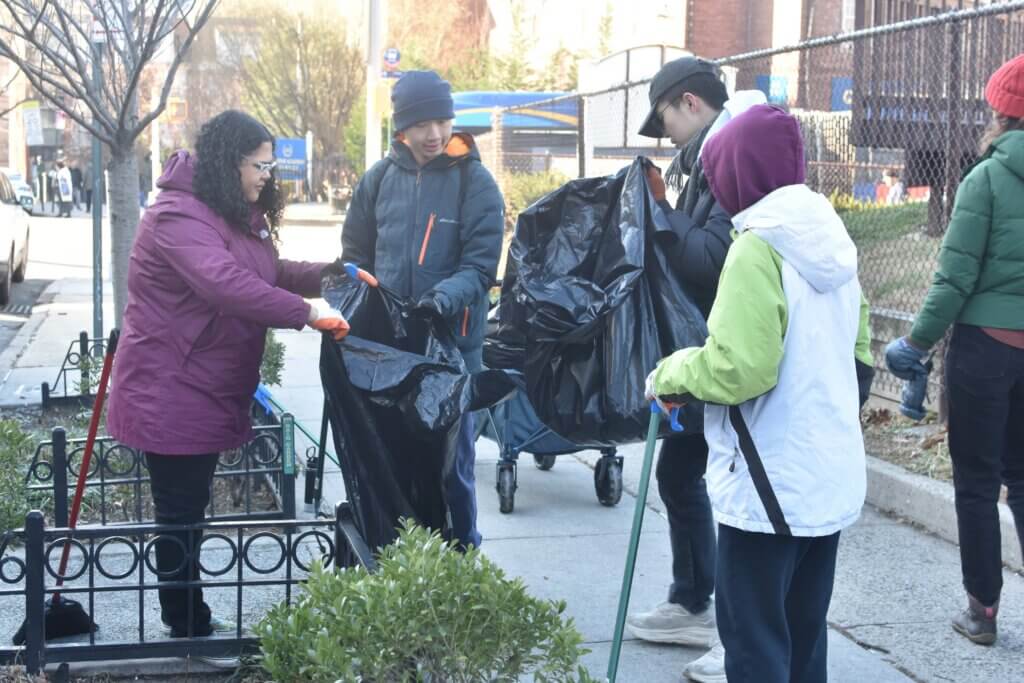
At a stewardship event that the LISCIF staff participated in December 2025, volunteers showed up enthusiastically on a temperature-dipping winter day. Everyone grabbed a pair of trash pickers and went at it. One person would hold a garbage bag while the other person picked up as many pieces of plastic bottles, bags of chips, and paper scraps as possible. Even with the biting cold gnawing at their hands, volunteers stayed throughout most of the allotted time to get the job done. These efforts ensure garbage and other harmful contaminants from stormwater runoff do not end up in the Sound and keep the waterways as healthy as they can be.
The network Guardians of Flushing Bay has fostered is one that encourages camaraderie and a genuine interest in helping the growing green spaces that require attention. For their 2024 LISCIF project, Guardians of Flushing Bay delivered on the Long Island Sound Partnership’s CCMP Theme, Informed and Engaged Public. The specific action was “IEP 3-4: Promote environmentally friendly behaviors at the Sound, its coast, and its tributaries through outreach to beachgoers, boaters, anglers, and other users of the Sound.” There are 53 rain gardens being taken care of by volunteers, students, and employees of a workforce development program called HOPE. In 2024, roughly 400 people were engaged, and in 2025, approximately 870 people were engaged. In total, almost 1,300 people have been engaged during both LISCIF awards. Guardians of Flushing Bay addresses IEP 3-4 by emphasizing the increasing volunteer and community-led rain garden stewardship events that ultimately protect and restore the Sound.
Volunteer events have helped young students and adults learn how to care for the Long Island Sound’s surrounding green stormwater infrastructure. These events have prompted a great number of people to learn a perspective of the Sound they didn’t have before — a perspective of helpfulness and communal responsibility. Guardians of Flushing Bay is tackling IEP 3-4 by changing people’s perception of the Long Island Sound through maintenance of the rain gardens, which alleviate flooding in their communities and homes.
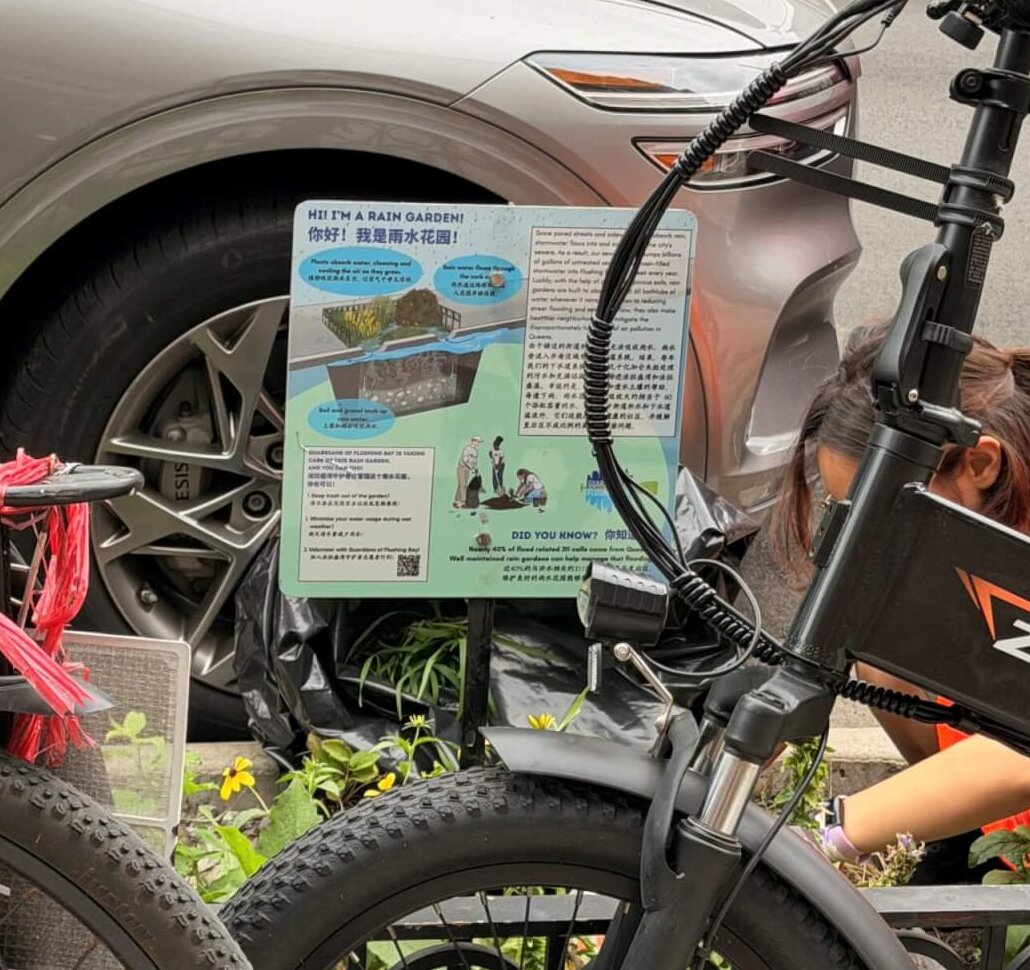
From the initial recreational sport activities to hands-on conservation work, Flushing Bay has been transformed in the span of less than 15 years. As stewards of the Environmental Protection Agency’s Long Island Sound Community Impact Fund program, Restore America’s Estuaries is excited to witness more supportive activities for rain gardens and coastal clean-ups that will ultimately keep the Sound clean, healthy, and full of life for more than 15 years ahead.
