What We Learned at the 2025 Living Shorelines Tech Transfer Workshop
From the entire Restore America’s Estuaries (RAE) team, thank you to everyone who joined us for the 2025 Living Shorelines Tech Transfer Workshop. With nearly 300 participants from across the country, this year’s workshop was an energizing gathering focused on advancing the science, practice, and policy of living shorelines. We are especially grateful to our co-hosts at the Doherty Climate and Resilience Institute at Save the Sound for their leadership and partnership in making this event a success.
Over two days, living shorelines practitioners, advocates, researchers, regulators, and community leaders came together to explore cutting-edge approaches to shoreline resilience. As coastal communities face increased erosion, flooding, and climate impacts, the need for innovative, nature-based solutions has never been greater.
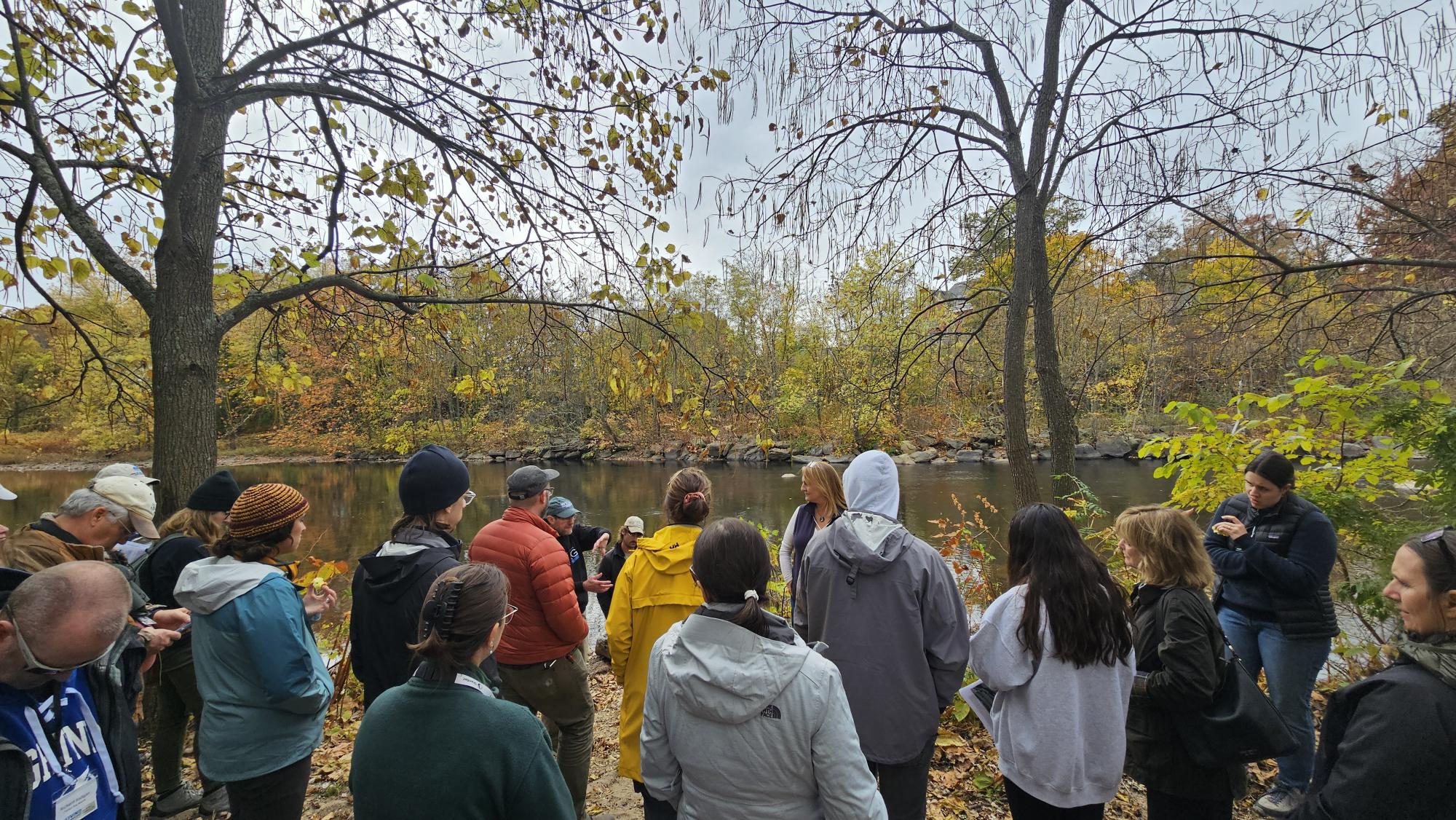
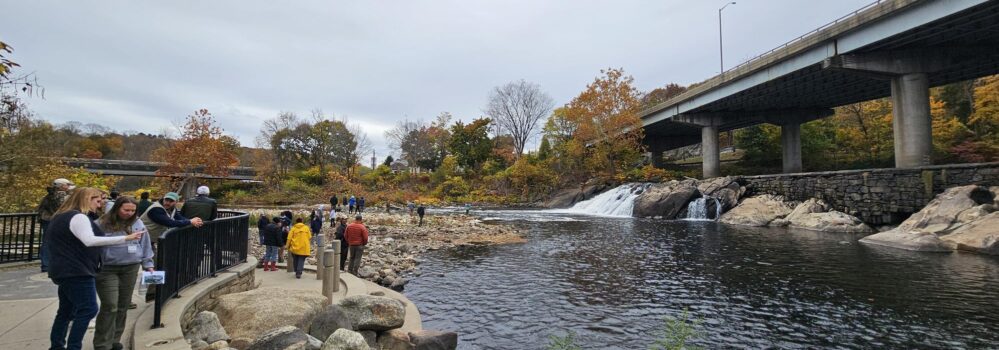
A key highlight of the workshop was the series of field tours showcasing living shoreline projects across Connecticut. These site visits gave participants an opportunity to see real-world applications of living shorelines, learn from on-the-ground challenges, and understand how project teams adapted and refined their approaches over time. Stops included the Kinneytown Dam removal site, where attendees explored how dam removal supports ecological connectivity; the Edith Read Wildlife Sanctuary; living shoreline projects in Stratford; and the Bride Brook Estuary at Rocky Neck State Park. Each location offered valuable lessons on permitting, design, construction, and long-term stewardship—insights that participants can take back to their own communities.
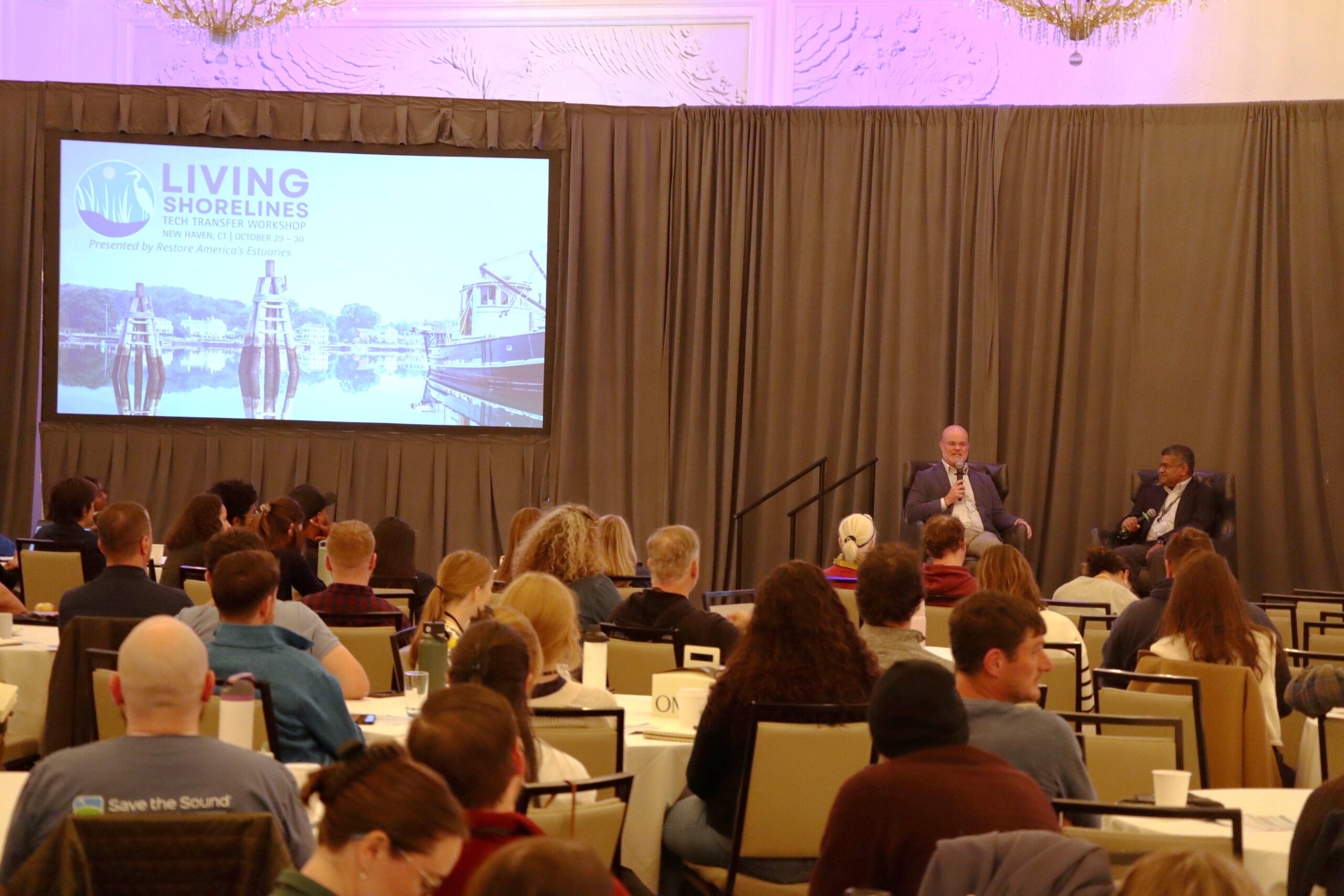
Following the field tours, attendees reconvened for a day and a half of dedicated sessions featuring thought-provoking speakers and in-depth discussions. Sessions explored themes such as adaptive design, monitoring and performance metrics, engineering for ecology, community engagement, and scaling living shorelines to meet regional and national needs. The workshop fostered open conversations about both successes and setbacks, reinforcing the idea that effective living shorelines require flexibility, collaboration, and a willingness to learn from experience.
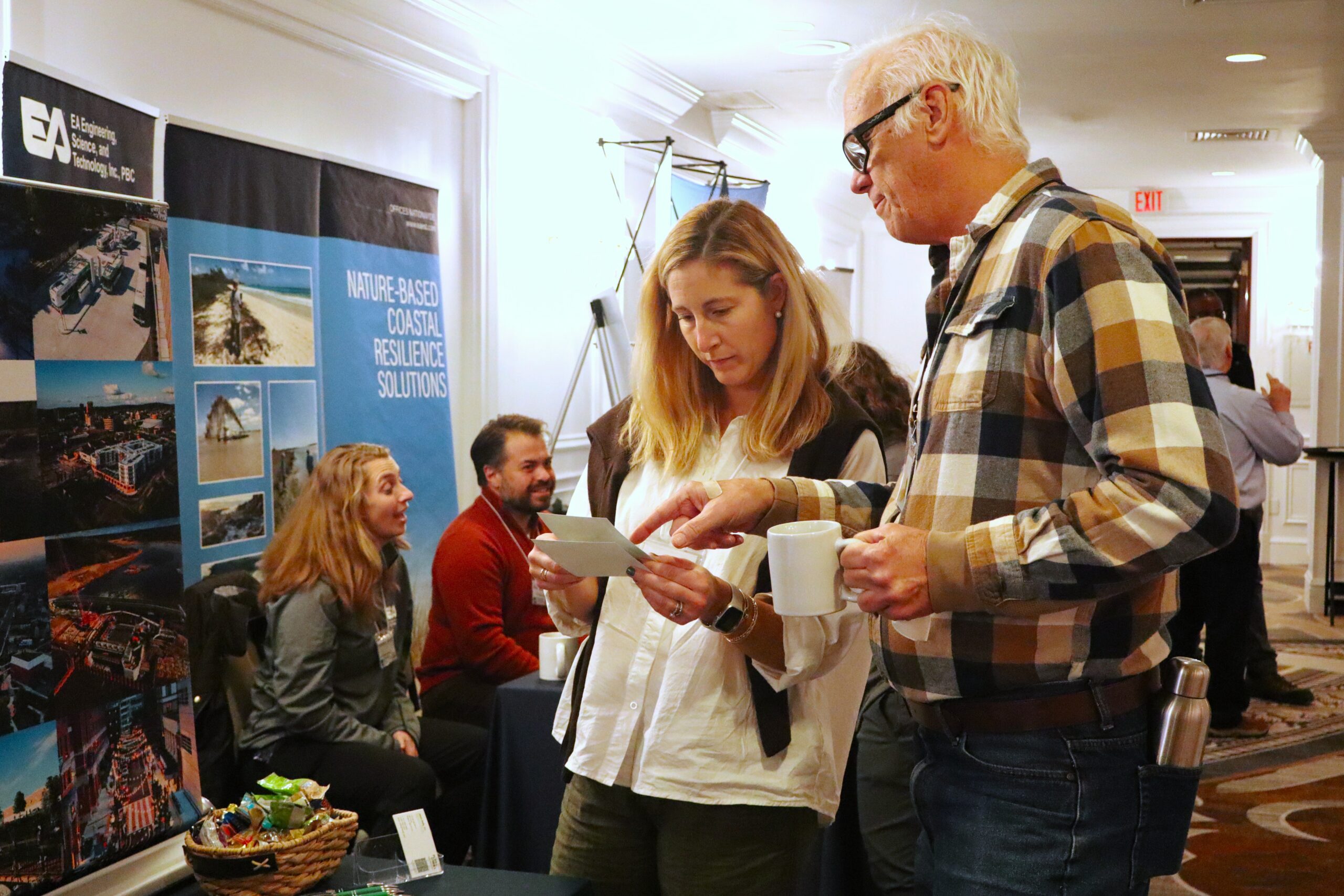
Events like this would not be possible without the generous support of our partners and sponsors. We extend our sincere thanks to the U.S. Fish and Wildlife Service for their continued commitment to advancing living shorelines nationwide. We are also deeply grateful to our sponsors—Stantec, Earth Balance, Eco Magazine, Fuss & O’Neill, GZA Design with Nature Studio, HDR, LICOR, Native Shorelines, Princeton Hydro, RACE Coastal Engineering, Reef Ball Foundation, and Safe Harbor Marinas—for helping make this workshop accessible and impactful.
The 2025 Living Shorelines Tech Transfer Workshop reinforced the power of bringing voices together around a shared goal: building resilient, healthy coastlines that work for both people and nature. For even more opportunities to connect, learn, and innovate, we hope you’ll join us at the 2026 Coastal & Estuarine Summit, taking place next fall in San Francisco. We look forward to continuing the conversation—and the work—together.
